Is Business Aviation Becoming a Long-Term Aviation Corridor for Global Travel?
May 21, 2026
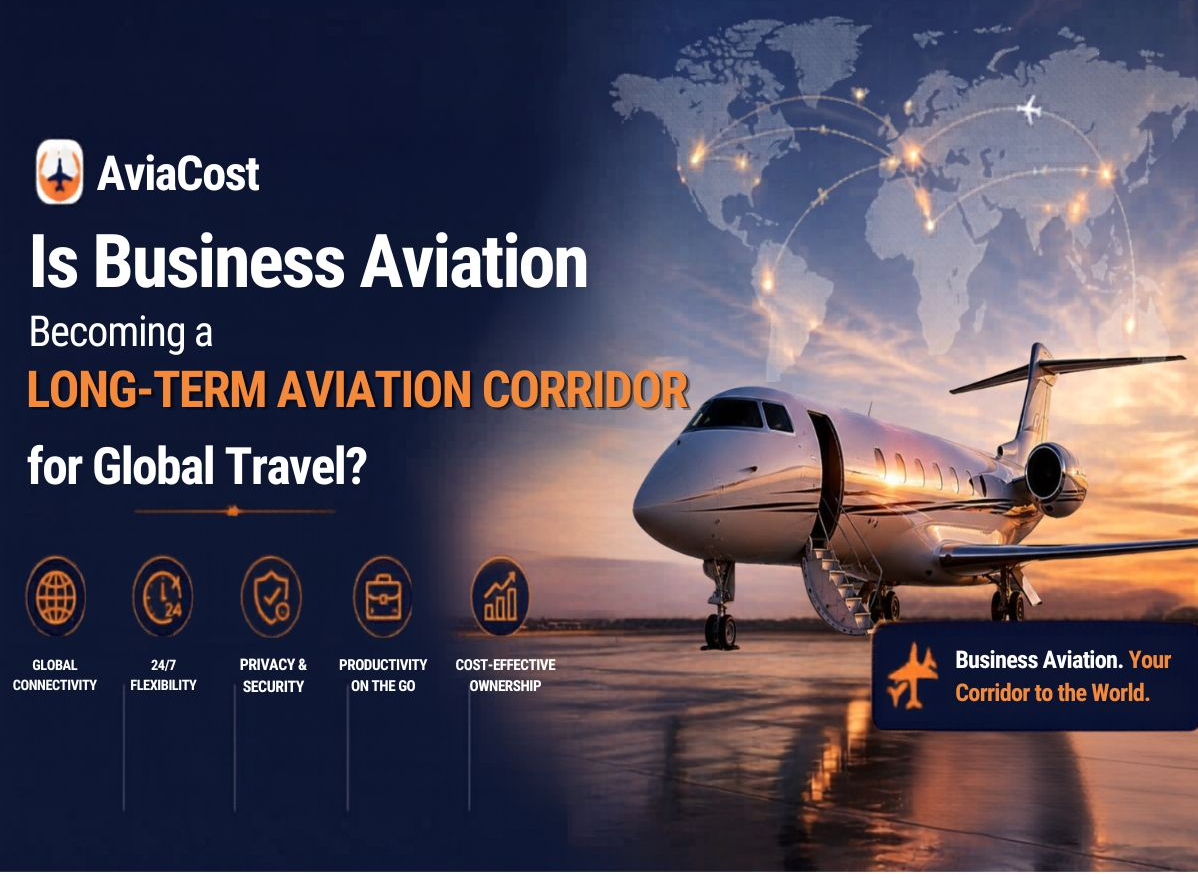
Business Aviation is no longer viewed only as a luxury service for CEOs and high-net-worth travellers. Over the last few years, it has developed into an important mobility solution for global businesses, government delegations, emergency travel, medical transport, and time-sensitive operations.
As commercial airlines continue to face delays, crowded terminals, and route limitations, private and corporate aviation is becoming a more flexible and dependable alternative for international travel.
Companies involved in aviation analytics and operational planning are playing a major role in this transformation. AviaCost provides operational and ownership cost analysis tools for aviation brokers, operators, advisors, and aircraft owners. The platform supports budgeting, trip cost analysis, operational planning, and ownership evaluation across more than 200 aircraft types, helping businesses make informed long-term aviation decisions.
Why Is Business Aviation Expanding Across Global Markets?
The demand for Aviation is growing because companies now prioritise flexibility, speed, and direct access between destinations.
Several industries, including healthcare, energy, sports, and technology, increasingly depend on private aviation to reduce travel delays and improve operational efficiency.
Commercial Aviation vs Business Aviation
This shift is helping business aviation evolve into a strategic transportation system rather than a luxury experience.
The Shift From Luxury Travel to Strategic Mobility
The image of business aviation has changed significantly. Companies now view it as a practical transportation tool that improves productivity and supports fast decision-making.
Its helps organisations:
• Reduce travel disruptions
• Improve executive mobility
• Access remote or underserved locations
• Maintain better schedule control
• Increase operational efficiency
For multinational companies, private aviation can reduce overnight delays and allow executives to manage business operations more effectively across multiple regions.
How Technology Is Transforming Business Aviation
Technology is becoming one of the biggest drivers of growth in the aviation sector. Modern aviation platforms now support smarter operational planning, real-time fleet management, and detailed financial forecasting.
Key developments include:
• AI-powered route optimisation
• Real-time maintenance tracking
• Online charter booking systems
• Aircraft budgeting and ownership tools
• Operational cost analysis platforms
Platforms such as AviaCost help operators and aircraft buyers analyse direct operating costs, maintenance exposure, ownership planning, and financial performance using updated aviation data.
This level of operational visibility allows aviation companies to make smarter financial and environmental decisions.
Regional Aviation Corridors Are Becoming More Important
Business Aviation is also improving regional connectivity by creating direct travel routes between cities that are not always well connected through commercial airlines.
This is particularly important in developing markets where infrastructure growth is accelerating.
Business aviation now supports:
• Cross-border executive travel
• Medical evacuation services
• Government and diplomatic operations
• Remote industrial site access
• Faster regional business connectivity
As smaller airports and regional runways continue to expand, private aviation is expected to play an even larger role in connecting emerging economic zones.
Fractional Ownership and Charter Services Are Growing
Fractional ownership and on-demand charter models are making business aviation more accessible to companies that do not want full aircraft ownership responsibilities.
These models offer benefits such as:
• Shared operational costs
• Flexible travel scheduling
• Access to premium aircraft
• Reduced maintenance responsibilities
As more businesses look for flexible travel solutions, charter aviation and shared ownership programs are expanding rapidly across global markets.
Sustainability Is Becoming a Key Industry Priority
Environmental concerns are also shaping the future of business aviation. Aviation companies are increasingly investing in greener technologies and fuel alternatives to reduce carbon emissions.
Current sustainability efforts include:
• Sustainable Aviation Fuel (SAF) adoption
• Fuel-efficient aircraft designs
• Carbon reduction programs
• Improved route planning systems
• Lightweight aircraft materials
Although sustainability challenges remain, many business aviation companies are integrating environmental planning into their long-term operational strategies.
Business Aviation is steadily becoming more than a premium travel option. It is evolving into a long-term global aviation corridor that supports faster connectivity, operational efficiency, regional development, and flexible international travel for modern businesses and organisations.
Conclusion
Business Aviation is expanding into a lot more areas than just super-luxurious travel. Through faster connections, operational flexibility, and strategic transport options for companies and governments around the world, it is becoming an important global mobility network. New aviation technology, operational analytics, charter availability, and cost intelligence platforms like AviaCost are making flight planning and ownership easier, altering the industry's future. Business aviation may remain an essential part of the global travel ecosystem as regional aviation infrastructure grows and more people seek flexible travel options.
FAQs
What is business aviation?
Corporate travel, charter operations, elite transportation, medical missions, and other specialised aviation services all use private planes. This is called "business aviation."
Why is business aviation growing globally?
It's growing because businesses and travellers want more privacy, flexibility, and operational efficiency compared to standard commercial aviation.
How does AviaCost support the business aviation industry?
Aircraft buyers and professionals in the aviation industry can use AviaCost to get information on aircraft running costs, ownership analysis, budgeting tools, and operational planning solutions.
What are the benefits of fractional aircraft ownership?
In fractional ownership, multiple people can share the costs of owning an aeroplane and get flexible access to private flight services without taking on full ownership duties.
Is sustainability becoming important in business aviation?
Naturally. Airlines are prioritising ecologically friendly fuels, fuel-saving technologies, carbon emission reduction, and better operational planning.